
WildWard
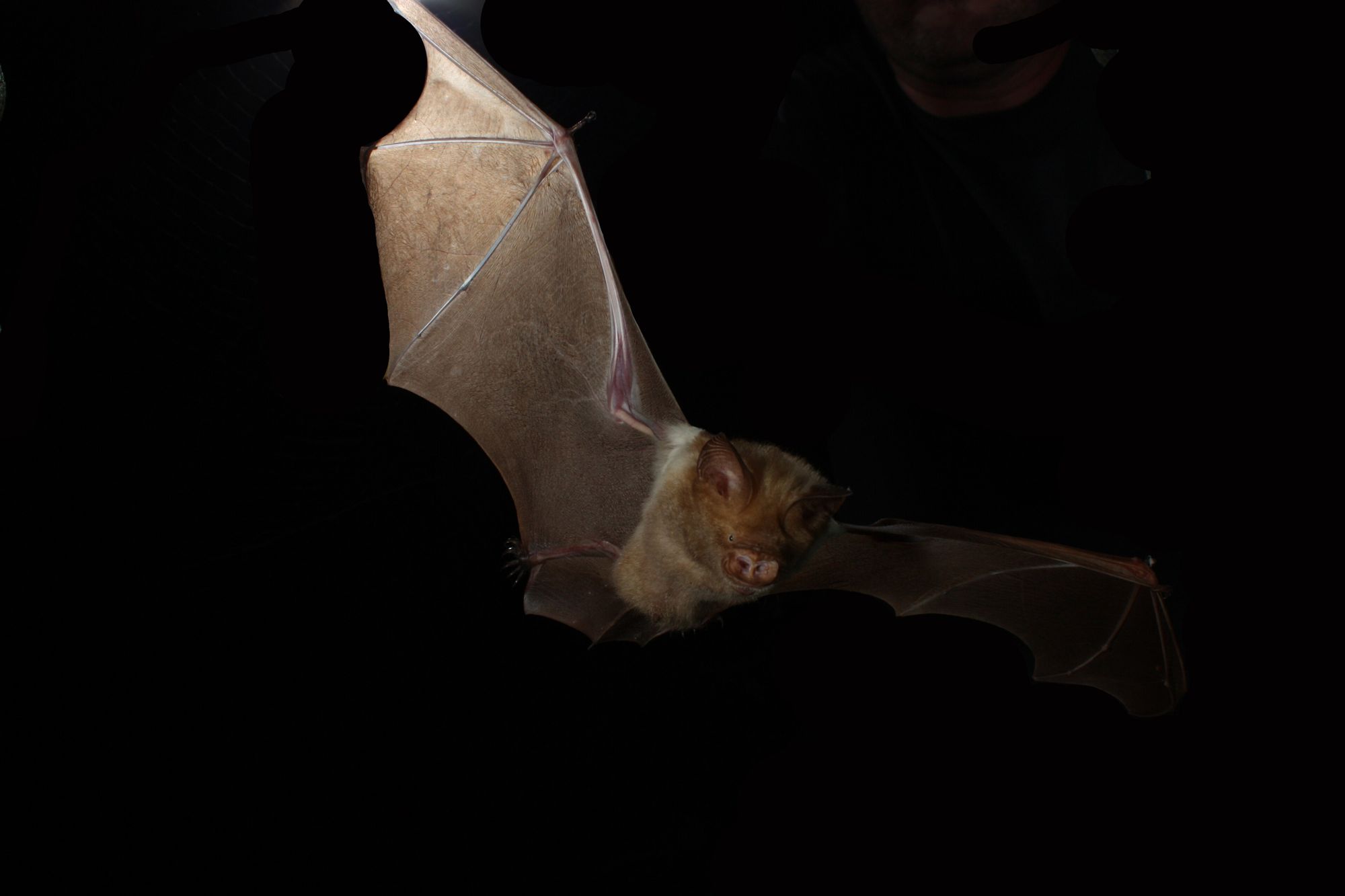
A diadem leaf-nosed bat in flight at night, wings spread

Open-source AI for wildlife

Protecting the wild by listening to it.

Most of the forest's life happens at night, in sounds people can't hear. WildWard builds AI that hears it, so the people protecting wildlife can act.

See our first projectOur mission

Mission

Technology that works for wildlife, not just about it.

Rangers, researchers and small conservation groups collect huge amounts of recordings and photos, then run out of hours to go through them. We build free, offline AI tools that do that work, starting where the need is clearest and the tools are missing.

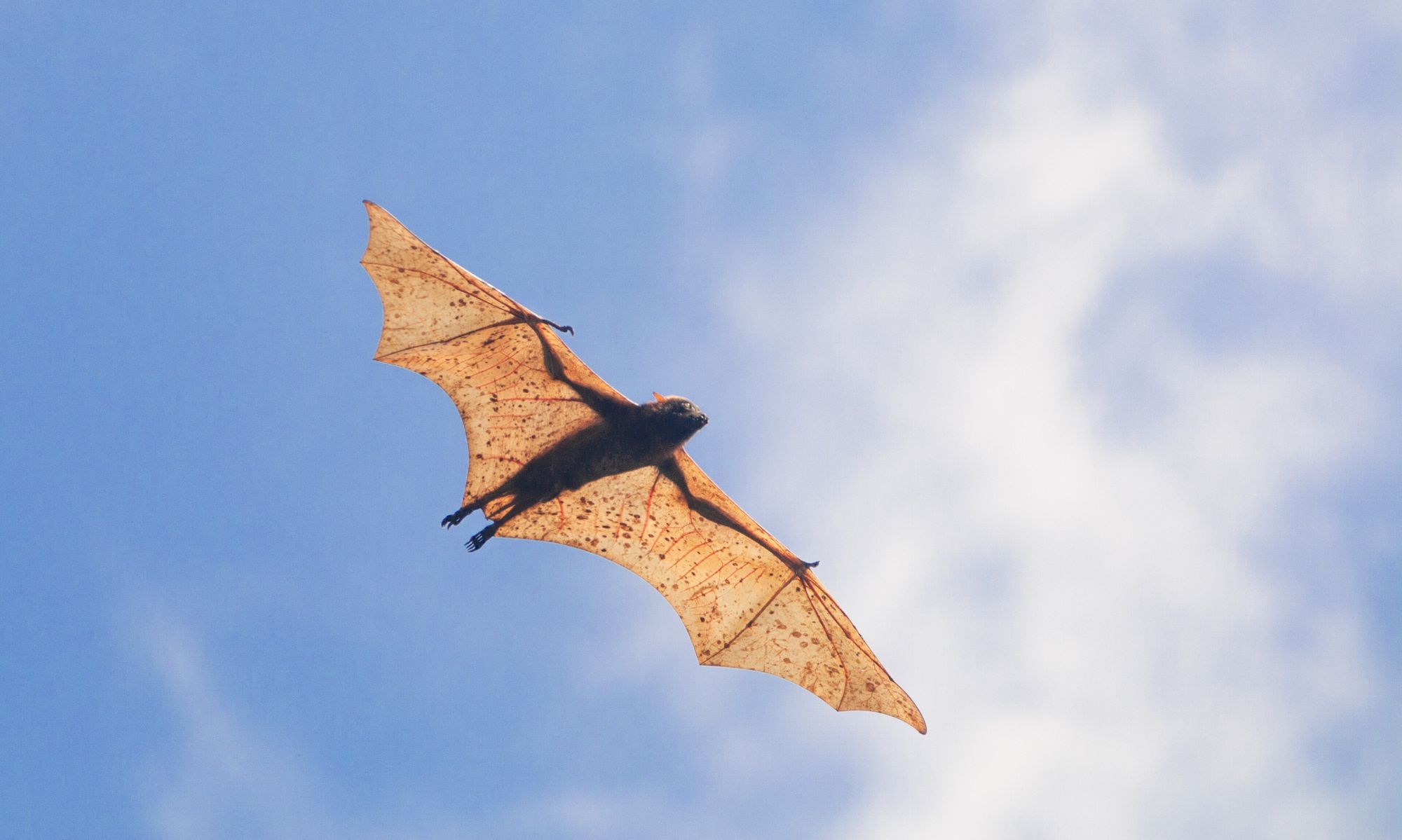
A giant golden-crowned flying fox gliding with its wings fully spread against a blue sky
Giant golden-crowned flying fox. Photo: Luke Marcos Imbong, CC BY-SA 4.0

Why bats first

The forest's night shift has no one counting it.

Bats pollinate, spread seeds and eat tonnes of insects every night. Southeast Asia is one of the richest bat regions on Earth, and many of its species live nowhere else. Yet across much of the region, scientists still identify bat calls by hand, because no software knows their species.

390+bat species in Southeast Asia
120 kHzwhere common bat AI stops listening. Many Asian bats call higher.
0/12Southeast Asian bats named right by a leading free tool in our test
Project 1 · Southeast Asian bat calls

AI that knows Asia's bats

Today's bat AI was trained on European and American bats. We tested a leading free model on twelve recordings of Malaysian bats from the ChiroVox library, species that also range across Indonesia, Thailand, the Philippines and beyond. It didn't name a single one correctly.

  • Works offline. Runs on a laptop at a field station, no internet needed.
  • Learns local species. Trained on recordings that local experts identified.
  • Open and fair. Free to use. Researchers keep ownership of their data.

Get WildWard Listen

Our free, offline review tool: finds every bat pass, measures every call, groups similar calls and learns from your labels. Before anyone labels anything, it already points to the right bat family 78% of the time (tested on 237 recordings). Early version, runs with Python.

0 of 12 species named correctly by BatDetect2 v1.3.1 (Oct 2026)
Recorded speciesCalls foundIts guess
Rhinolophus creaghi (2)0nothing
Hipposideros dyacorum0nothing
Hipposideros bicolor8Nyctalus leisleri
Miniopterus australis (2)0nothing
Kerivoula hardwickii0nothing
Kerivoula minuta16Nyctalus leisleri
Murina suilla0nothing
Murina rozendaali13Eptesicus serotinus
Myotis horsfieldii29Myotis bechsteinii
Myotis muricola25Myotis alcathoe

Every guess is a European species, because that's what the model learned. It was never built for Asia. Small test, default settings.

First result · Oct 2026

A bird AI learned 34 Asian bat species from ten examples each

We slowed the ultrasonic calls down twelve times, so Google's Perch 2.0, a model trained on birdsong, could hear them. Then we trained a small classifier on top: 319 recordings of 34 species from 66 sites in Vietnam, Malaysia and Indonesia, about ten recordings per species.

78%of recordings named to the right species, out of 34 (95% range 73-82%). Random guessing gets 3%.
91%named to the right genus (87-94%).
62%species right on recording sites the model never heard (56-67%; 86% genus). In a controlled test, training on 4 sites instead of 1, with the same amount of data, added 16 points. More places means better AI. That's where partners come in.

Early results, honest scope: 34 of Southeast Asia's 390+ species, mostly clean close-range recordings from the ChiroVox library, about ten per species. Real survey recordings are fainter and messier, and species the model has never heard are not handled yet, so field accuracy will be lower until we train on partners' survey data. Recording-level cross-validation; ranges are 95% confidence intervals. Updated 24 Oct 2026. ChiroVox data used locally for non-commercial research. Code, method and caveats: github.com/WildWard/batlab.

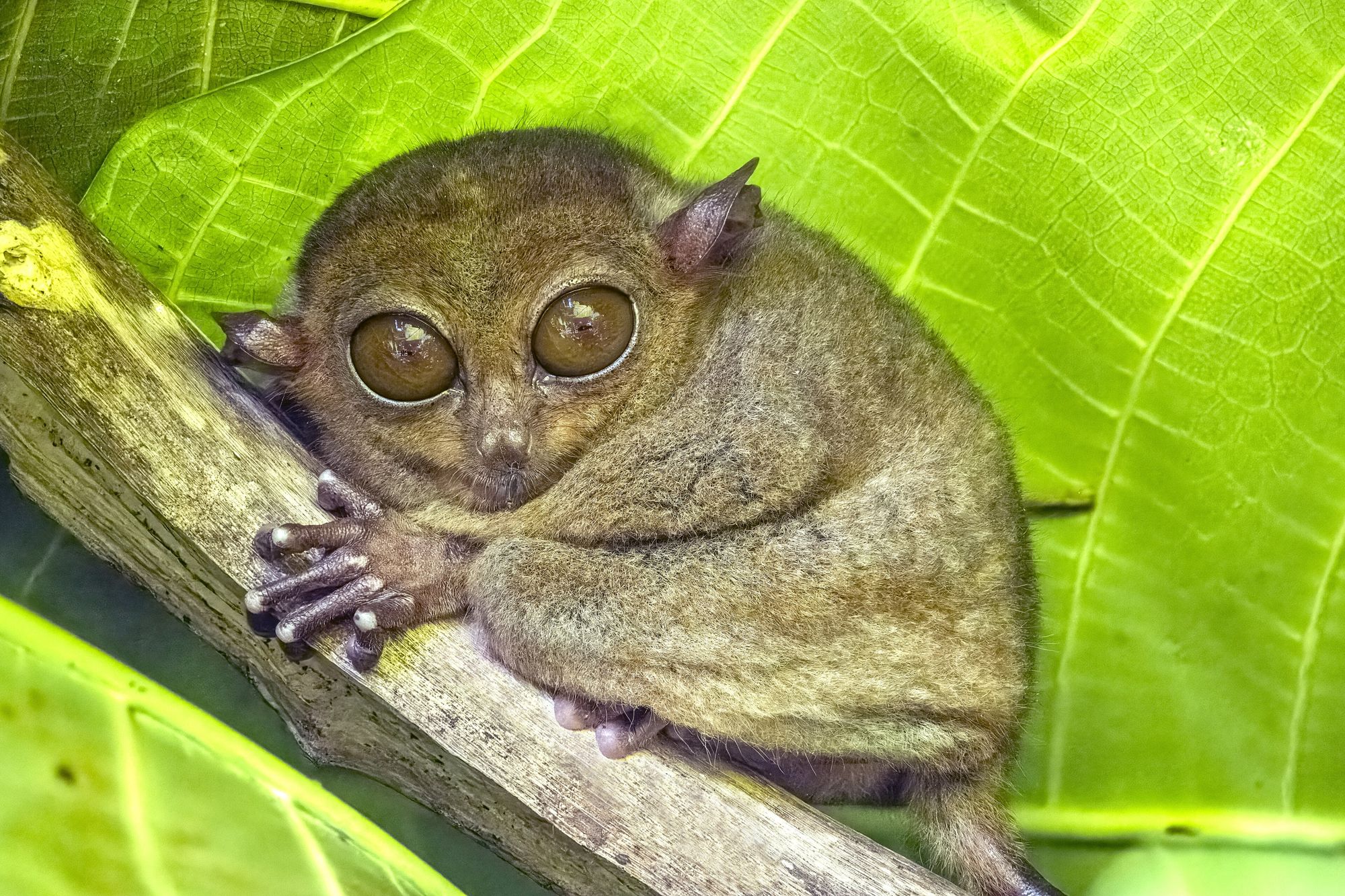
A Philippine tarsier with huge round eyes clinging to a branch among green leaves Philippine tarsier. Photo: Charles J. Sharp, CC BY-SA 4.0

What comes after

Bats first.
Every species next.

The same approach works for any animal that can be heard or seen: frogs, birds, primates, and the poachers who hunt them. Each tool we build makes the next one faster.

Where we are

The road to the field

  1. Done

    Test the models

    Today's tools: 0 of 12. Ours: 78% on 34 species from 66 sites.

  2. Done

    Build the tool

    WildWard Listen: finds, measures and groups every call, offline and free.

  3. Now

    Find partners

    Team up with researchers who hold identified recordings from many sites.

  4. Then

    Train and check

    Build a classifier for Southeast Asian species and publish the accuracy openly.

  5. Later

    Into the field

    Put it to work on real surveys across Southeast Asia.

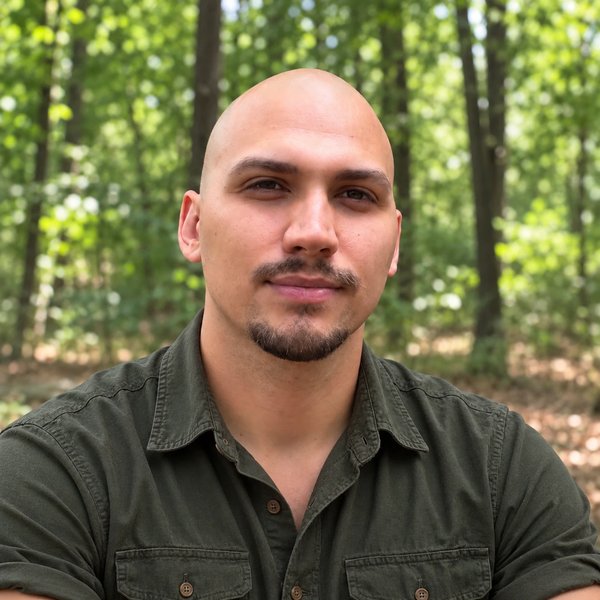
Antal Kiss, founder of WildWard, in a forest

Founder

Antal Kiss

"The wild is disappearing faster than the people protecting it can keep up. I want to give them better tools."

I'm a builder with a background in business informatics. I've shipped games, AI assistants and web products, mostly on my own, with AI as my engineering team. That taught me something that changes everything for conservation: one person with the right tools can now do what used to take a whole lab.

So I'm pointing everything I can build at the problem I care about most. WildWard starts with the bats of Southeast Asia, because the gap is clear and the researchers need help now. The goal is much bigger: a toolkit that lets every ranger and researcher, anywhere, see and hear what's happening in their forest.

I build with the people who do the fieldwork, not over their heads. If that's you, I'd love to talk.

Work with us

Researchers, NGOs, and anyone with bat recordings from Southeast Asia: tell us what slows your work down. We reply within a few days.